
https://www.midjourney.com
The full moon, a celestial spectacle that illuminates the night sky, has captivated human imagination for millennia. However, it’s often associated with eerie tales, supernatural occurrences, and a sense of unease.
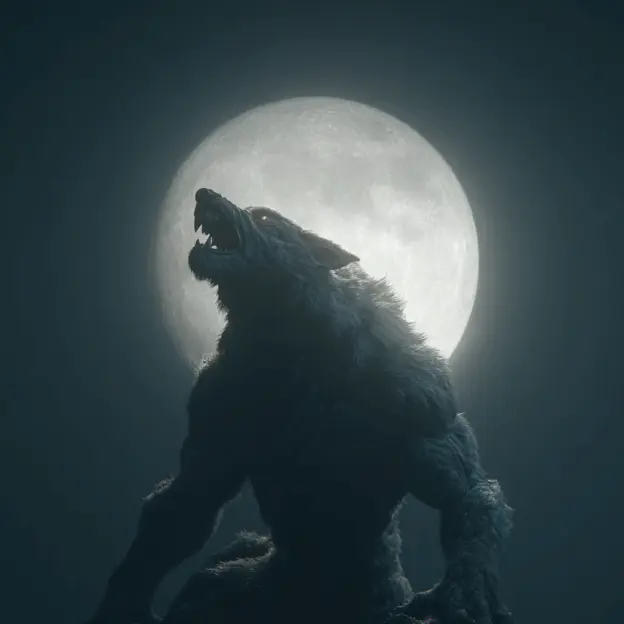
Luna has long been a symbol of mystery and power, representing the passage of time, the cycles of nature, and the unseen forces that shape the world. Unlike the sun, the moon’s light is reflective, offering only a pale glow in the dark of night. This connection to darkness, dreams, and the unknown has made it a potent symbol in folklore, horror, and mythology. The phases of the moon are often linked to transformation, magic, and madness, with the full moon, in particular, becoming a beacon for supernatural occurrences. The moon carries many symbolic themes, most notably transformation, cycles, madness, and the unknown. Its phases represent the cyclical nature of life, death, and rebirth, while its light in the darkness suggests a balance between good and evil, known and unknown. In horror, the moon is often tied to moments of transformation, as in the case of werewolves or other shapeshifters, where its presence brings out the darker, primal side of characters. – Rebecca Golby – https://rebeccagolby.com
1. Ancient Beliefs and Superstitions
* Lunar Cycles and Human Behavior: Ancient civilizations believed that the moon’s phases influenced human behavior, emotions, and even health. The full moon, with its powerful luminosity, was often seen as a time of heightened activity and potential danger.
* Lunar Madness: The Latin word “lunatic” derives from the Latin word “luna,” meaning moon. This connection suggests that ancient people believed the moon could induce madness or irrational behavior.
2. Cultural Folklore and Mythology
* Werewolves and Other Creatures: Many cultures have tales of mythical creatures that transform or become more powerful under the influence of the full moon. Werewolves, vampires, and other supernatural beings are often linked to the lunar cycle.
* Dark Forces and Evil: The full moon has been associated with darkness, mystery, and the supernatural. It has often been depicted as a time when evil forces are more active.
3. Psychological Factors
* Confirmation Bias: People are more likely to remember and share instances of strange or unusual events that occur during a full moon. This can create a false perception that such occurrences are more common during this lunar phase.
Resources:
https://www.lanternghosttours.com/post/why-are-there-so-many-scary-stories-about-the-full-moon