
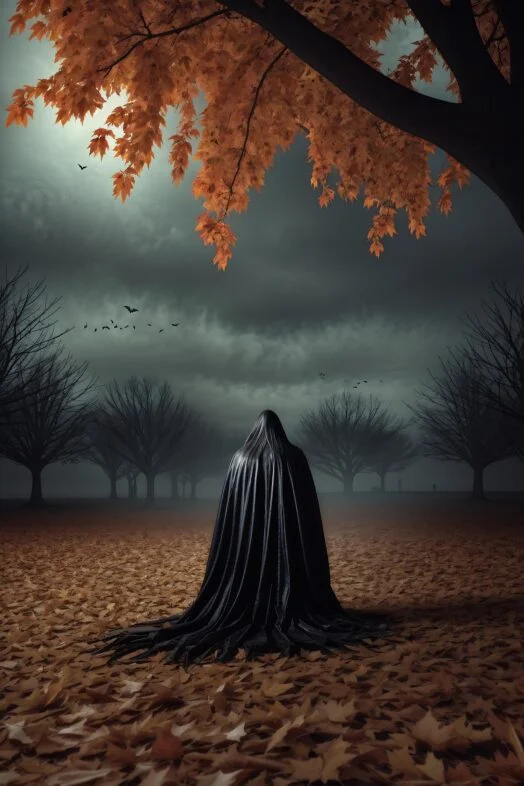
Image by Ray_Shrewsberry from Pixabay
On the last Thursday of this November, nine out of ten Americans will celebrate Thanksgiving. The holiday has become a day for families to gather and feast while giving thanks for things they are grateful for.
But like most of the history of the United States, beneath the surface lies a deeper layer. A darker truth behind a supposedly joyous celebration. For many Native American and First Nation peoples, the past is not exactly something to be thankful for. In fact, it’s more like a day of mourning.
What Are the Origins of Thanksgiving?
The holiday we call Thanksgiving is based on an event from the seventeenth century. According to our history textbooks, that’s when Pilgrims, recently settled in “the New World,” sat down with Native Americans to celebrate the harvest by eating and giving thanks.
However, many people say that this story is nothing but a myth created in the mid-1800s. It denies the brutal truth of the Colonial days: the seizure of land and introduction of disease, in addition to the oppression, enslavement, and fatal violence against the Native people.
The myth may have even inspired the sentiment of Manifest Destiny that encouraged Americans to push westward, continuing to displace and kill the Natives. Today, the holiday is viewed through a multi-colored lens.
The First Thanksgiving
The “First Thanksgiving” took place in the autumn of 1621 in Plymouth Colony, where English settlers and members of the Wampanoag Nation shared a harvest meal. The feast followed a year of devastating hardship for the Pilgrims, who had lost nearly half their people to disease and starvation. The Wampanoag, led by Chief Massasoit, had helped the colonists survive by teaching them how to plant corn and fish in local waters.
For the Wampanoag, the feast now known as the First Thanksgiving was not an official holiday. It was part of a broader tradition of celebrating successful harvests. Indeed, the event likely included food, music, and games. But it was not the harmonious symbol of unity that later myths would suggest.
Myths and Misconceptions About the First Thanksgiving
Thanks to the whitewashed version of the first Thanksgiving that most Americans have grown up with, many misconceptions about that day still persist:
- Myth: Our annual tradition began with the first Thanksgiving in 1621. Truth: That was a one-time event never to be repeated. Thanksgiving wasn’t an annual tradition until 1863, when President Abraham Lincoln declared it a national holiday.
- Myth: The Pilgrims and Wampanoag were friends. Truth: The relationship between the two groups was one of fragile diplomacy, formed out of necessity rather than friendship. Both were weakened by a plague and benefited from the alliance by protecting each other from neighboring tribes.
- Myth: The First Thanksgiving feast included turkey and pumpkin pie. Truth: While wild fowl was likely served, none of the historical accounts mention turkey specifically. Sugar was scarce, so there were probably no sweet desserts. Recipes for pumpkin pie don’t appear in American cookbooks until 1796.
The Dark Side of Thanksgiving
The simplified version of the Thanksgiving story most of us grew up with leaves out many details. For one thing, it omits the epidemics brought by Europeans that devastated Indigenous populations, reducing some tribes by as much as 90%. It also ignores the decades of conflict and dispossession that followed soon after the 1621 feast.
Within a generation of that first gathering, peace gave way to bloodshed. Tensions between colonists and Native tribes escalated as more English settlers arrived, encroaching on Indigenous lands. In 1637, English and allied Native forces massacred hundreds of Pequot people at Mystic, Connecticut, an event that Governor John Winthrop declared a “day of thanksgiving.”
To many Indigenous people, Thanksgiving represents not gratitude but mourning. A reminder of centuries of betrayal, genocide, and cultural erasure. Native tribes were displaced, enslaved, or killed as settlers continued to push westward. Traditional ways of life were systematically destroyed through forced conversions, boarding schools, and government assimilation policies.
Thanksgiving Today
Today, many Native communities observe the National Day of Mourning on Thanksgiving, gathering at Plymouth Rock to honor ancestors and speak truth to the historical realities behind the holiday.
Despite its troubled origins, Thanksgiving has evolved into something different: a day of reflection, family, and gratitude for many Americans. It has become less about the Pilgrims and more about giving thanks for blessings, sharing food, and finding connection in a fractured world.
Acknowledging the darker truths behind the celebration does not diminish its meaning. It deepens it. By understanding the suffering endured by Indigenous peoples, we can approach Thanksgiving with empathy and honesty. Some families now use the day to learn about Native history, support Indigenous communities, or include moments of remembrance before their meal.
Thanksgiving’s story is both beautiful and tragic. It’s a reflection of the nation itself. Beneath the food and family lies a complicated legacy that reminds us of our capacity for both kindness and cruelty, generosity and greed. Recognizing this complexity allows us to honor the truth. Perhaps, in doing so, we can give thanks more meaningfully than ever before.
Blog source – https://usghostadventures.com/americas-most-haunted-trending/the-dark-history-of-thanksgiving/
Reference Sources:
- https://www.potawatomi.org/blog/2020/11/25/the-true-dark-history-of-thanksgiving/
- https://americanindian.si.edu/nk360/informational/rethinking-thanksgiving
- https://www.smithsonianmag.com/history/thanksgiving-myth-and-what-we-should-be-teaching-kids-180973655/
- https://www.delish.com/holiday-recipes/a33984895/native-american-thanksgiving-holiday/
- https://www.britannica.com/topic/Thanksgiving-Day